Own Your Boots, Rent Your Skis: The First Ski Gear Worth Buying
I bought my ski boots with the help of AI chatbots.
Ski boots. The one piece of kit you’re always told to try on first.
They arrived within 3–4 days. I put them on, and they sat exactly as they were supposed to.
Before you try this at home, there’s a catch, and it’s your nearest local ski shop. I’ll get to it.
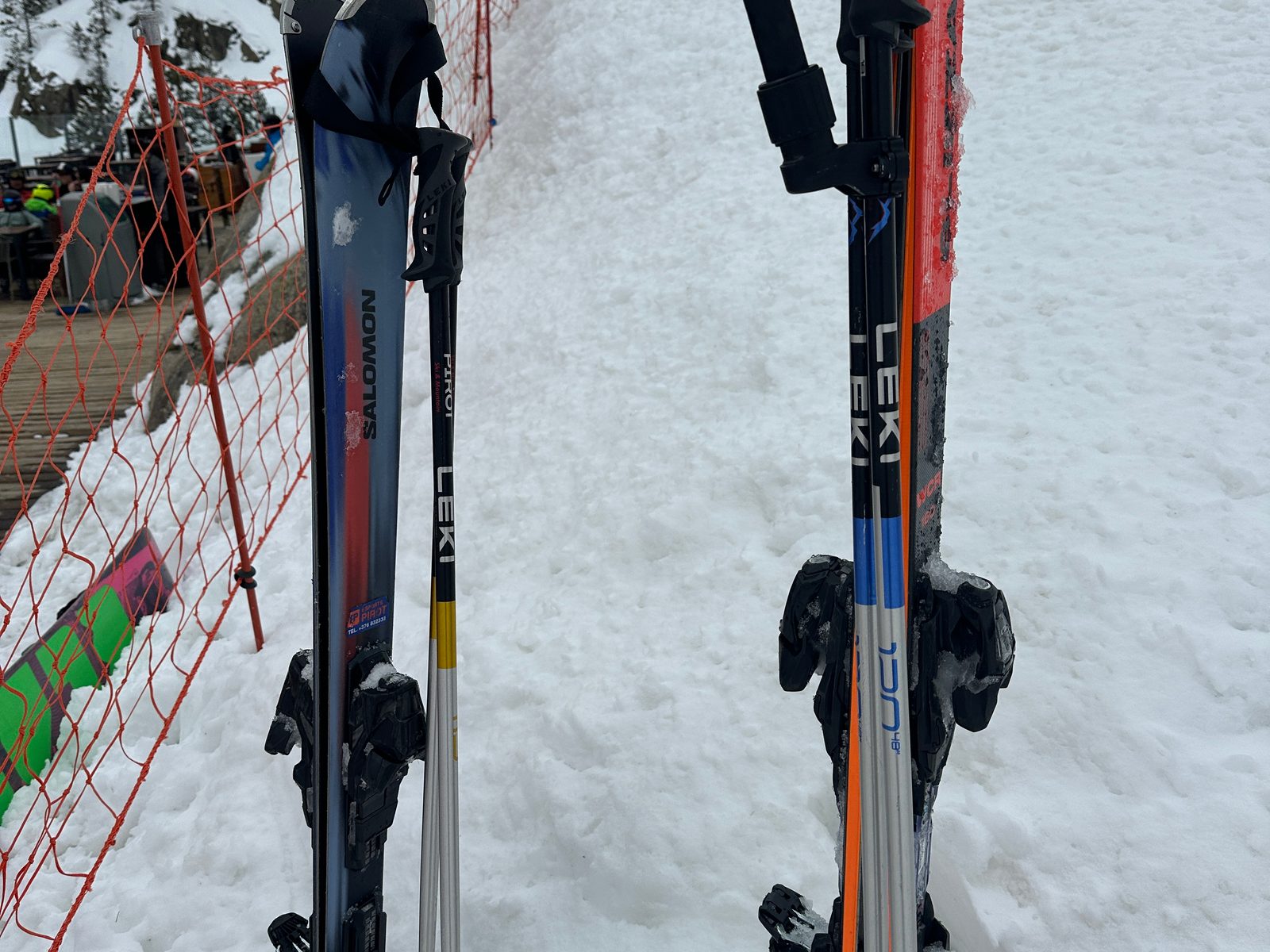
First, the answer to what you should actually buy: own your boots and rent your skis. Boots decide how your feet feel all day; rental skis are adjusted for you and let you try different ones. I rent my skis and own my boots.
Buy boots before you buy skis
A rental boot can be fine. It can also be a poor fit that you spend the day thinking about instead of skiing. Boots come first for me because I prefer having my own for hygiene, and I’ve found rental boots often aren’t very good.
Fit matters more than the fact that the boot is yours, though. If you buy a pair that hurts, you haven’t solved the rental problem; you’ve paid to take it home. A good rental pair beats an unsuitable pair you own.
For me, boots and goggles are the two pieces of gear that matter most. Boots affect how your feet feel all day. Goggles are something you look through all day. Neither is particularly exciting to shop for next to a wall of shiny skis, but that’s probably a useful clue about where your money should go first.
If you’re about to book your first trip, you don’t have to buy boots immediately. Rent, see how you get on, and pay attention to fit. If you’ve already skied once or twice and know you want to go again, owning boots becomes a much more sensible first purchase than buying a full setup.
Keep renting skis while you work out what you like
I rent skis for now. The rental shop adjusts them, and I can try different skis instead of committing to one pair while I’m still improving.
Buying boots is about finding a reliable match for your own feet. Buying skis means choosing a pair for the skiing you want to do, possibly before you know what that is. Let it wait.
Renting also keeps the gear-buying question manageable. You can sort out your boots, use them on a trip, and see how they feel on snow. Next time, you can rent skis again. You don’t need to turn one booking into a complete equipment overhaul.
Do tell the rental shop what level you’re at, and ask what they’re giving you. I’m wary of a shop that hands over gear without explaining anything. If the boots they give you hurt, here’s what to say at the counter.
Snug is the goal
“What should a ski boot feel like?” is an awkward question because a proper fit may feel strange at first. Fall-Line’s boot-fitting advice says your toes should touch the front when you first step in, then come away once the cuff is buckled and you flex forward. InTheSnow adds that your heel should stay held, and that buckles should close without force. The full test, and what to do when a boot fails it, is in the piece on rental boots. It applies equally to a boot you’re about to buy, with one difference: you keep this one.
How a local ski shop and a chatbot chose my boots
Before I bought anything, I went to my local ski shop. The assistant was very helpful: he measured my feet and explained where a boot should feel comfortable and what to look at. I took a couple of photos. The very next day I sat down with AI chatbots and did what I always do, which is research it thoroughly. I told them what I’d felt in the shop and what I was looking for, they asked me questions, and after some back and forth they suggested several European online shops and told me exactly which filters to set. I had never bought anything that way before.
I ended up ordering Lange Shadow boots from Snowinn, Tradeinn’s online ski shop. They arrived within 3–4 days and, when I tried them on, they sat exactly the way the boots had felt in the shop. I like them, though I still need to get them heat-moulded to my feet.
Notice the order. The measuring and the explaining came first, in a shop, from a person. The online part only had to find a boot matching what had already been established. Skip the first half and you’re guessing with extra steps. If this is your first pair, a shop or boot fitter is also the safer place to finish the job: you can describe what hurt, try boots on and have someone check the fit before you commit.
Heat moulding is worth asking about as part of that conversation. Fall-Line notes that after heat moulding and some skiing, a liner begins to pack down and give more space. So don’t choose a new boot just because it feels generously roomy straight away. My own boots still need theirs.
Three questions before you keep a boot
- Do my toes pull back when I flex?
- Does my heel stay put?
- Can I fasten the buckles without a wrestling match?
If the answer to any of them is no, ask for help or try a different boot. The brand name won’t fix the fit.
Add goggles, a helmet and a decent suit
After boots, look at goggles. I consider them one of the most important pieces of ski gear, and I own mine. I ordered my goggles and helmet through Amazon.
Goggles and a helmet have to fit too, so compare before buying. A downside of ordering online is that you can’t check how they feel together until they arrive. If they don’t feel right, don’t keep them just because you’ve already opened the box.
I also own my ski suit, and this is another place I wouldn’t go cheap. Look for something warm and water-repellent. The downside of spending more here is obvious: it’s more money up front, and buying a suit that isn’t comfortable on you doesn’t become clever just because it cost more. Try it on if you can, and compare what you’re getting rather than choosing on appearance alone.
None of that means you must buy a helmet, goggles, a suit and boots in one shopping session. The useful question is which rental item or clothing problem you most want to stop dealing with.
Spend your money in the order you’ll notice it
It’s tempting to start with skis because they’re the unmistakably ski bit of the kit. Start at the other end. Get boots that fit properly, buy goggles you’re happy to use, and don’t cut corners on a warm, water-repellent suit. Rent skis while you learn what you prefer.
And if your budget only stretches to one decision right now, make it the boots, and begin at a shop that will measure your feet. Be nice to the assistant. You’re about to rely on everything they tell you.