What a Ski Rescue Really Costs (and the €3.50 That Covers It)
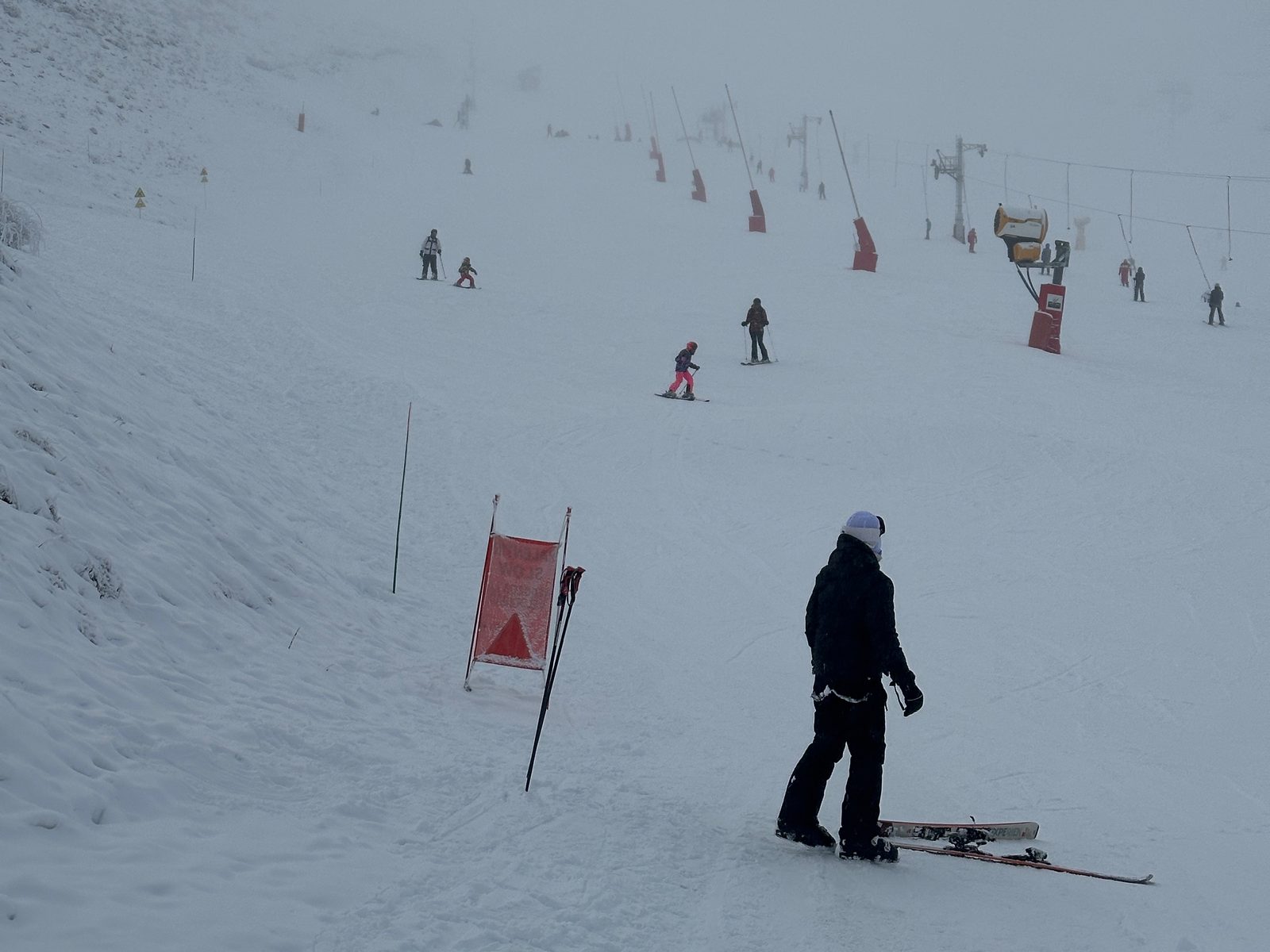
A helicopter off a French ski slope costs, on average, €30 a minute.
Your health card won’t pay for that. The EU’s own FAQ says the European Health Insurance Card does not cover mountain rescue in ski resorts.
Your bank card might, up to a limit you have probably never read.
The ticket desk, meanwhile, will offer to deal with the whole thing for about €3.50 a day.
I always buy the insurance at the resort. It’s 100% worth it, because evacuation is very expensive.
Yes, you can be billed for rescue on a French piste
Being on a marked run doesn’t make rescue free. Local authorities in French ski resorts can charge for interventions within the ski area, so you don’t have to be miles into the backcountry for a bill to arrive.
Here are the numbers The Connexion reported in January 2025, citing skiinfo.fr:
| Rescue | Reported cost |
|---|---|
| Light-care rescue around lower pistes | €50 |
| Rescue in nearby piste areas | €150–€200 |
| Remote piste areas, more than a kilometre from the rescue station | €340 |
| Average rescue of an injured skier | €367 |
| Average off-piste rescue | Around €700 |
| Average helicopter evacuation | €1,776, or €30 a minute |
Those are examples, not a menu you can choose from while sitting in the snow, and an average is not a ceiling. PisteHors reported in April 2026 that helicopters in many French resorts are billed by the minute, at nearly €7,000 an hour at Les Arcs. Once dispatch, treatment and transfer to hospital are added, a total approaching €10,000 is not unusual.
Nobody is predicting a helicopter for you. But a marked piste comes with no promise of free rescue, and €3.50 is small beside even the less dramatic lines in that table.
Don’t make your bank card do a job it hasn’t promised to do
“My card comes with travel insurance” sounds reassuring. It might even be useful. The real question is whether your particular cover pays for rescue on a ski slope, under the circumstances in which you’re skiing, and up to what limit.
Limits matter. Rescue cover for Visa in France can be just €5,000, according to PisteHors, and you’ve just seen what a bad day can approach. Not every Visa has identical terms, but “I have a Visa” is no answer to a question about mountain rescue.
Open the policy wording at home and look for ski-area rescue, helicopter evacuation, limits, exclusions and any conditions for activating the cover. If it leaves you guessing, ask the insurer before you travel. “Travel insurance” on a card’s benefits page is a promising phrase, and a promising phrase won’t get you off a mountain.
Your EHIC isn’t a mountain-rescue pass
The EU is blunt about it: the card does not cover private medical healthcare or costs such as mountain rescue in ski resorts, and it doesn’t cover repatriation or lost or stolen property either.
“Being rescued”, “getting medical care” and “getting home” are three different things, and one card in your wallet doesn’t automatically pay for all of them. Bring your EHIC for what it does provide. Just don’t treat it as proof that a piste patrol or helicopter bill is covered.
At the lift-pass desk, ask what the extra few euros buys
Carré Neige lists its price at €3.50 per person per day as of November 2026. It describes the product as combined insurance and rescue cover, with a €50,000 overall cover limit and a maximum one-off excess of €50 per claim, subject to the limits in its guarantee documents.
Its most useful line is easy to miss. You don’t have to advance rescue fees if you present the compulsory ticket with Carré Neige at the time of rescue. Buying it and then having no way to show it is not a plan, so keep the ticket somewhere you can reach it.
You may see a resort’s own option instead. Saint-Lary-Soulan’s 2026/27 winter tariff lists Assurance Essentiel, described as cover for on-piste rescue costs, at €3.70 per person for a one-day pass.
The names sound similar enough that you could wave them both through without reading. Don’t. Carré Neige describes combined insurance and rescue cover, Saint-Lary’s tariff describes on-piste rescue costs, and neither short description answers every question about what happens after you leave the mountain.
Resort cover and travel insurance have different jobs
Lift-pass rescue cover is about getting help on the mountain and dealing with that bill. A travel policy may handle other parts of a bad day, including medical care and repatriation, if its wording says so. And since the EHIC doesn’t cover repatriation, the journey home won’t take care of itself.
There can be overlap, and you don’t need to buy everything twice just because two checkout screens offer it. If you already have travel insurance or card cover, compare its rescue wording with the resort option before paying, then look at medical care and repatriation separately. Dull holiday admin, admittedly.
Two questions decide it: who pays to get you off the mountain, and what cover do you have afterwards? The wording tells you, not the number of insurance products in your wallet.
Four questions before you say yes or no at the desk
- What rescue costs does this cover, and where does it apply?
- What’s the limit, and is there an excess?
- What do I need to show if I’m rescued?
- Does a policy I already hold cover piste rescue and helicopter evacuation?
Quick answers
Is rescue free on a marked piste in France?
No. Local authorities can charge for interventions within the ski area, and The Connexion puts the average rescue of an injured skier at €367.
Does the European Health Insurance Card cover ski rescue?
No. The EU says the card doesn’t cover mountain rescue in ski resorts.
Do I have to pay up front with Carré Neige?
Carré Neige says you don’t have to advance rescue fees if you present the compulsory ticket with Carré Neige at the time of rescue.
Buy the cover, then get on with skiing
Insurance won’t ski sensibly for you, though. I reckon exhaustion is when injuries are more likely, so take a break when you’re tired, and don’t let anyone talk you onto a run you aren’t ready for. The cover just keeps an avoidable bill off an already bad day.
When the resort offers its daily option, you should already know whether your own policy covers ski rescue. A ticket desk with a queue behind you is a poor place to read one.